Cast Iron Pipe Replacement in Temple, TX
Aging cast iron sewer lines buried under concrete slabs rust, channel, and collapse over decades. We provide high-resolution sewer camera inspections and subterranean drain replacements.
The Hidden Danger of Aging Cast Iron Drains Beneath Concrete
Homes built across Temple before the mid-1970s—particularly in established neighborhoods near Downtown Temple and Temple College—were built with cast iron drain, waste, and vent (DWV) piping embedded directly into or beneath concrete slab foundations. While cast iron is robust when newly cast, it has an expected functional lifespan of 40 to 60 years in residential settings.
Over decades of exposure to acidic sewer gases, household cleaning chemicals, and moisture, cast iron pipes undergo severe internal tuberculation, scaling, and channeling along the bottom invert. In many Central Texas homes, the bottom half of the pipe completely rots away, creating an open trough where raw sewage flows directly into the sub-slab soil. If you are experiencing drain issues, professional cast iron pipe replacement Temple specialists can assess pipe integrity and prevent catastrophic foundation subsidence.
How Under-Slab Drain Leaks Differ From Supply Line Slab Leaks
It is vital to distinguish between fresh water supply leaks and sanitary sewer slab leaks:
- Supply Line Slab Leaks: Pressurized potable water lines continuously spray water at 50 to 70 PSI, spinning the water meter and causing audible hissing sounds.
- Cast Iron Drain Under Slab Leaks: Sewer lines operate under gravity rather than continuous pressure. When water is flushed or drained, wastewater leaks through cracks and rotted pipe bottoms. Because there is no constant pressure, the municipal water meter does not spin.
- Foundation Impact: Sanitary wastewater leaking beneath a concrete slab continuously saturates surrounding Blackland clay. The localized moisture expansion causes foundation heaving, cracked interior walls, and subterranean soil voids.
Signs Your Sub-Slab Cast Iron Sewer Line Is Failing
Watch for these telltale symptoms indicating a deteriorating cast iron drain under slab Temple:
- Recurring multi-fixture backups: Toilets, bathtubs, and floor drains backing up simultaneously or gurgling when washing machines discharge.
- Persistent sewer gas odors: Hydrogen sulfide smells lingering in bathrooms, laundry rooms, or around the foundation perimeter.
- Fruit fly or drain fly infestations: Phorid flies and sewer gnats breeding within damp soil beneath floor cracks.
- Slow drainage despite snaking: Clearing cables repeatedly catch on rough internal iron rust scale or drop out through rotted pipe bottoms into dirt.
Advanced Diagnostics: Video Camera & Hydrostatic Testing
Accurate evaluation of subterranean drain networks requires two scientific procedures:
High-Definition Sewer Camera Inspection
Technicians feed a self-leveling color optical camera with integrated 512 Hz radio sondes through cleanout ports. We capture real-time video of pipe walls, revealing internal scaling, root intrusion, joint separation, and bottom channeling. The exact location and depth are pinpointed from above the slab.
Hydrostatic Pressure Testing
An inflatable test ball is inserted into the main sewer line at the foundation boundary. The drainage system is filled with water to floor level and monitored for 15 to 30 minutes. If the water level drops, it confirms an unsealed crack or breach along the sewer line under slab Temple system.
Replacement and Rehabilitation Methods
When replacing compromised cast iron, three remediation techniques are available depending on layout and soil stability:
1. Sub-Slab Tunneling (Foundation Preservation)
Rather than cutting wide trenches through finished living room and bedroom floors, specialized crews excavate access pits outside the foundation and tunnel horizontally beneath the concrete slab. Technicians hang and replace old iron lines with schedule 40 PVC piping before backfilling and compacting soil. Living spaces remain completely clean and undisturbed.
2. Interior Trenching
In short branch runs or homes undergoing complete remodel, concrete floors are saw-cut, excavated, and fitted with modern PVC before re-pouring concrete.
3. Cast Iron Pipe Lining (CIPP Trenchless)
When physical pipe host walls remain intact without structural collapses, cast iron pipe lining Temple (cured-in-place pipe) can be installed. An epoxy-saturated felt tube is pulled through the host pipe, inflated, and cured into a seamless, structural pipe-within-a-pipe that resists corrosion for over 50 years.
Related Foundation Services
Discover complete foundation plumbing protection across Bell County:
- Slab Leak Repair in Temple: Complete diagnostics and pressurized water line repairs.
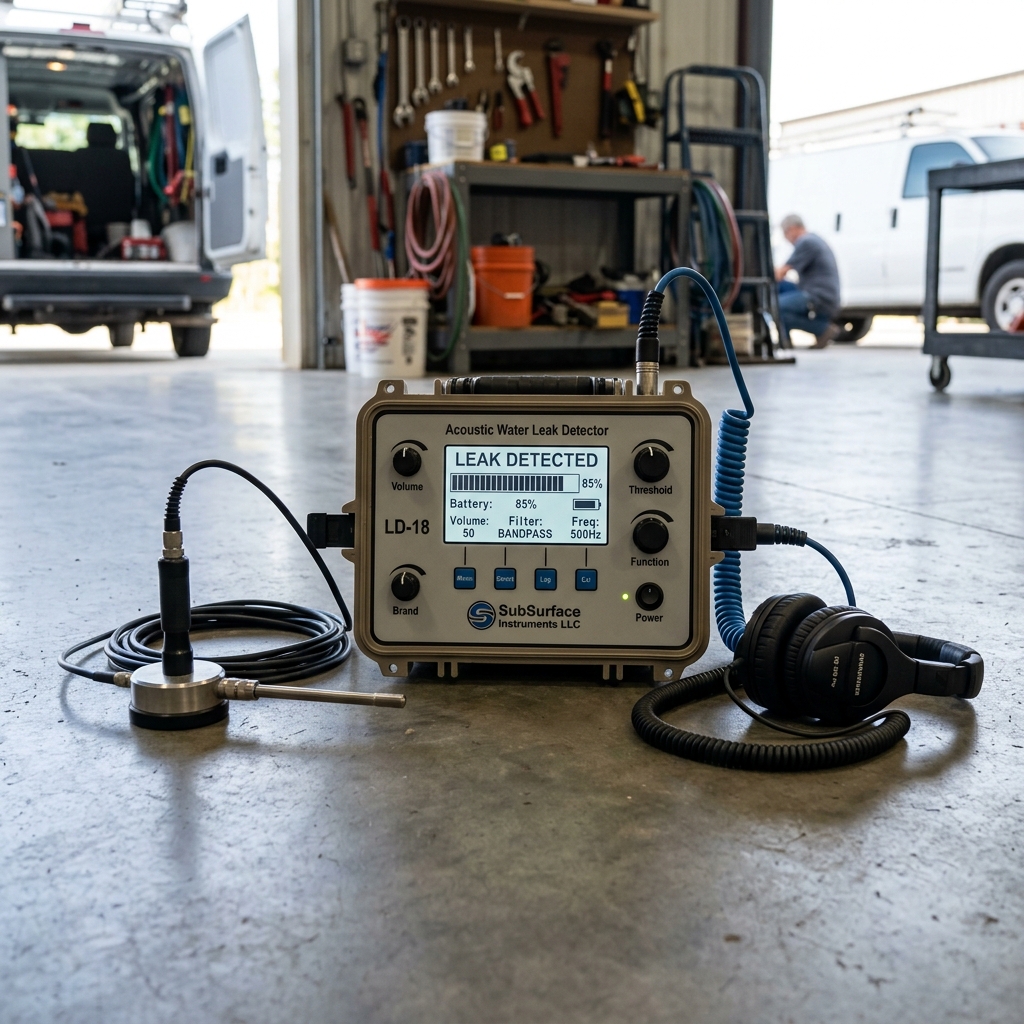
- Slab Leak Detection: Electronic acoustic testing for fresh water lines.
- Service Areas: Serving Downtown Temple, West Temple, and neighboring communities.