Slab Leak Reroute in Temple, TX
Protect custom flooring and foundation integrity. A professional water line reroute abandons leaking subterranean lines and routes durable new piping through walls or attic spaces.
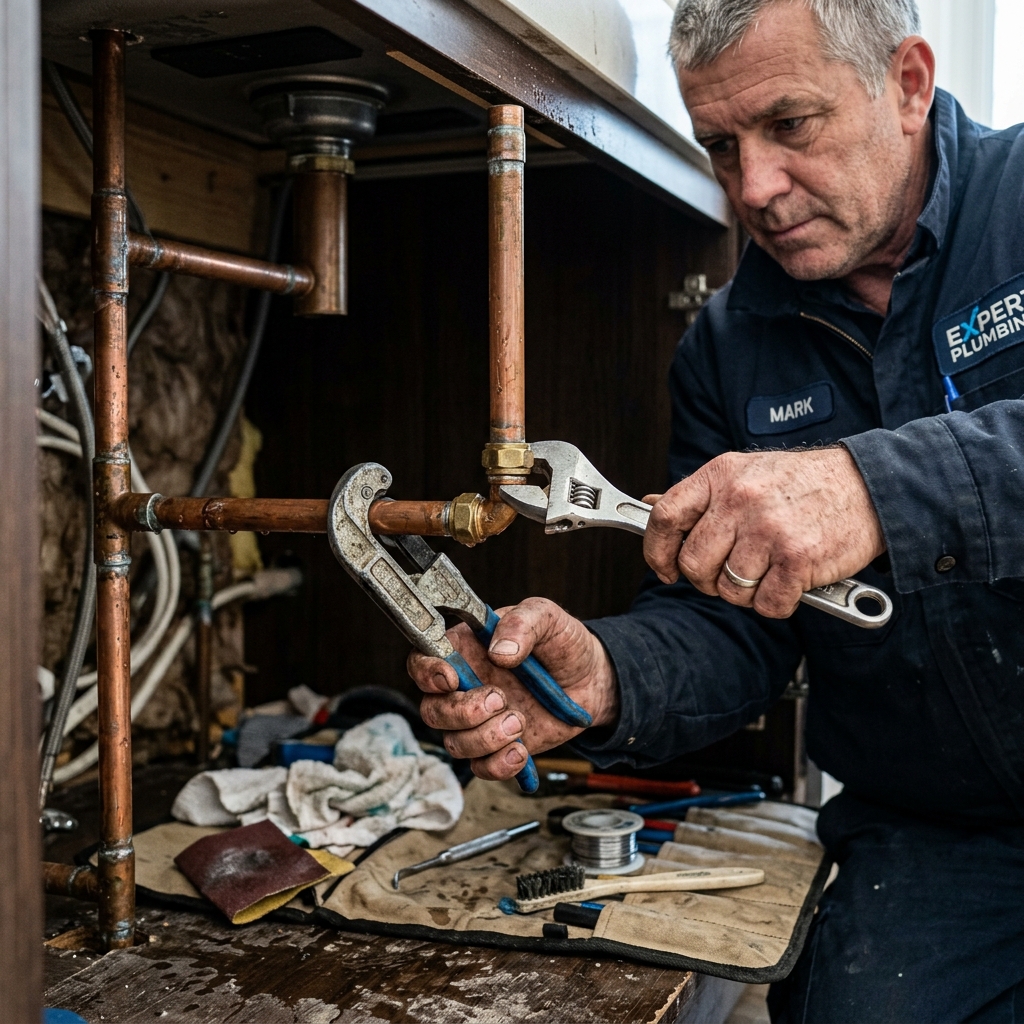
When Rerouting Beats Jackhammering the Concrete Slab
When faced with a foundation leak, homeowners often dread the thought of pneumatic jackhammers shattering concrete floors inside their living spaces. Direct spot repairs require removing finished tile, hardwood, or carpet, cutting through reinforced concrete, excavating wet dirt, and generating pervasive concrete dust that infiltrates HVAC systems.
For many properties in Temple, a slab leak reroute Temple project provides a dramatically cleaner, faster, and more durable alternative. Rather than breaking through your foundation, technicians leave the failing underground pipe permanently buried. We bypass slab leak Temple lines by installing a brand new, continuous pipe overhead through wall framing or attic pathways, reconnecting seamlessly into the home plumbing manifold.
Key Advantages of an Overhead Pipe Reroute
- Preserves expensive finished flooring: Avoids ripping up hardwood planks, custom imported tile, or glued vinyl that cannot be matched or replaced easily.
- Protects post-tensioned slabs: Many newer homes in West Temple utilize post-tensioned cable reinforcement in concrete foundations. Cutting into post-tension slabs carries severe structural risks. Rerouting avoids all concrete cutting.
- Eliminates future leak risk in that line: Once a line is moved above the concrete, it is no longer subjected to soil friction, chemical attack from Blackland clay, or sub-slab movement.
- Faster project turnaround: A reroute can frequently be completed within one to two working days, minimizing household disruption.
Engineering the Reroute: Wall Cavities vs. Attic Pathways
Depending on your home architecture—single-story vs. two-story, flat roof vs. pitched roof—our plumbers evaluate the optimal physical pathway to re-route water line Temple systems:
Attic Rerouting
In single-story homes with accessible attic space, technicians choose to reroute pipes through attic Temple cavities. Modern cross-linked polyethylene (PEX-a) piping is fed from the supply source or water heater up into the attic, run across structural ceiling joists, and dropped down inside interior stud bays directly to fixtures (sinks, showers, or toilets). PEX is exceptionally resilient, corrosion-resistant, and flexible, eliminating concealed underground elbow fittings.
Interior Wall & Baseboard Pathways
In homes without accessible attics or in two-story floor plans, new lines can be routed through interior partition walls, false beams, closets, or lower drywall chases behind baseboards. Small, strategic drywall openings are made to thread piping cleanly with minimal cosmetic disruption.
Protecting Attic Lines from Texas Heat and Occasional Hard Freezes
Central Texas experiences extreme climate swings—from scorching 105-degree summer heat to sub-freezing Arctic cold fronts during winter. Proper thermal protection is mandatory when rerouting pipes overhead:
- Heavy-gauge closed-cell insulation: Every overhead water line is encased in high-density polyethylene or elastomeric foam pipe insulation to prevent heat gain in summer and thermal transfer during freezes.
- Deep burial under attic insulation: Where possible, lines are routed beneath blown-in cellulose or fiberglass batt insulation on the ceiling drywall plane, keeping them within the home conditioned thermal envelope.
- Freeze-resilient materials: PEX piping is inherently capable of expanding slightly if frozen, making it substantially more resistant to burst ruptures than rigid copper during rare Central Texas cold snaps.
Drywall Access, Patching Coordination, and City Permitting
Executing an overhead reroute requires creating small exploratory access holes in drywall near fixture drop points. Once piping installation and hydrostatic pressure testing are complete, these small openings are backed and prepared for drywall patching and texturing. All reroute work complies with the City of Temple plumbing codes, and required municipal permits and inspections are coordinated to verify system safety and code compliance.
Related Foundation Services
Explore additional solutions for protecting your home plumbing network:
- Slab Leak Repair in Temple: Complete overview of diagnostics and repair strategies.
- Slab Leak Detection: Electronic acoustic locating to identify failing line segments.
- Whole-House Repiping: Full-system replacements when multiple lines show age-related degradation.